What is 3D Rendering?

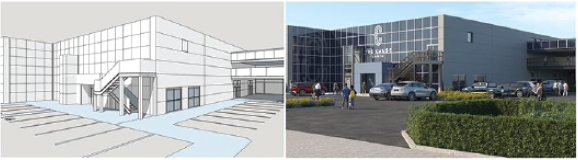
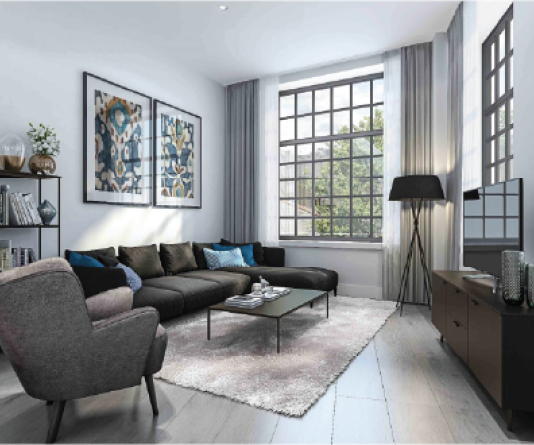
3D rendering is used to create photorealistic images in 2-dimestions from 3D models using highly sophisticated software and hardware. A rendering specialist can bring to life any idea the consumer desires to manifest, such as detailed, exquisite architecture (exteriors and interiors) and products, such as furniture, cars or an innovative invention. The final result of these images can be delivered as photos or videos and are called renderings. Sometimes they are also referred to as, “renders”.

3D Models

To create these computer images, a 3D model must be created, many times from scratch, using specialized software. These 3D models can be any type of object such as a chair; a home from the ground up; a town, or even a celestial object, such as a planet! Just about anything! These 3D models each have their own unique textures and materials, resembling real world objects. Models are created by making polygons which are individual geometric shapes, made of a minimum of 3 sides to comprise an entire 3D object

3D Modeling

3D Rendering

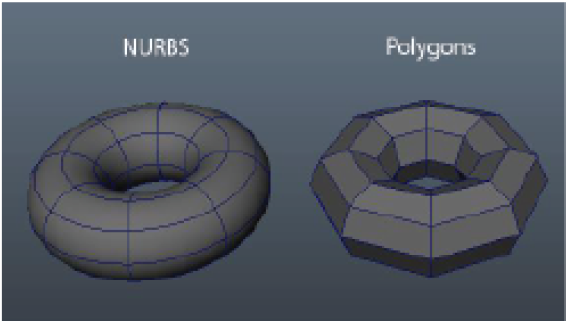
These 3D models are generally made from two types of methods of 3D modeling when making the pieces of a3D model. An easy way to think about these types of parts are like molecules. Everything is made of them, but there are different ways they are made. Polygons are more like crystals and NURBS are more like liquid. This is an over-generalization, but it gives you an idea of the application of each method of 3D modeling. Polygons, which are flat geometric shapes of at least 3 sides that are used to make surfaces and NURBS(Non-Uniform B-Spline modeling) which can be curved to make a surface.

Polygon modeling is generally used for hard surface modeling, like in Architecture, and NURBS modeling is generally used for sculpting organic shapes in nature, or characters and animals used in games and animation. It’s also widely used for objects inserted within architecture. These types have very different ways of representing the materials surfaces are made of. In this day and age, with the use of modern software, you can make NURBS from polygons and you can make polygons from NURBS, but it depends upon what materials you want to make for the 3D model.

Materials

Every 3D object is made of something tangible. Just like you see in the real world. It can be made from materials such as wood, metal, glass, leather, carpet, or rubber. Just about any type of surface you can think of can be duplicated via this software. Even semi-transparent materials like marble, glass, gemstones, jade and water can be simulated. These surface materials absorb or reflect light such as black sand – which absorbs almost everything, or a mirror – which reflects all light. Just about anything can be simulated on the computer if the lighting is casted just right.

Lightning

Every 3D object reflects their own light, just as real-world objects do. These objects all combine to make a scene. Each scene tells a story and, to tell a story of a scene – like any professional photographer will tell you – the lighting of that scene is what details everything. Every type of light you can think of can be computer generated to illuminate objects – from realistic (sunlight, moonlight, fire), to artificial light (fluorescent, neon, LED) can be created.

Once you have a scene filled with the 3D models and lighting you like, a scene can also be captured by a snapshot, like a camera or even a full motion movie scene. Videos can also be grouped together to make movies or just simple scenes to tell a story. These scenes can also have lifelike computer generated actors in them. These actors can be people, animals, or space aliens. Modern video games have these actors in them as well, for example, and the final output of these scenes is the actual 3D Rendering which is delivered to the end user.

Lighting can completely change the feel of a space, and even the look of the materials, as new 3D rendering software can detect each individual ray of light in its setting. This technology is called ”ray tracing” (or “path tracing” – depending on the software used), which addresses realistic global illumination and how light reflects in real-world settings. The level of realism is so life-like that it will soon be indistinguishable from reality. New rendering software also capitalizes on PBR (Physically Based Rendering), which makes shading of materials more photo-realistic by implementing how light interacts with objects in your scene.

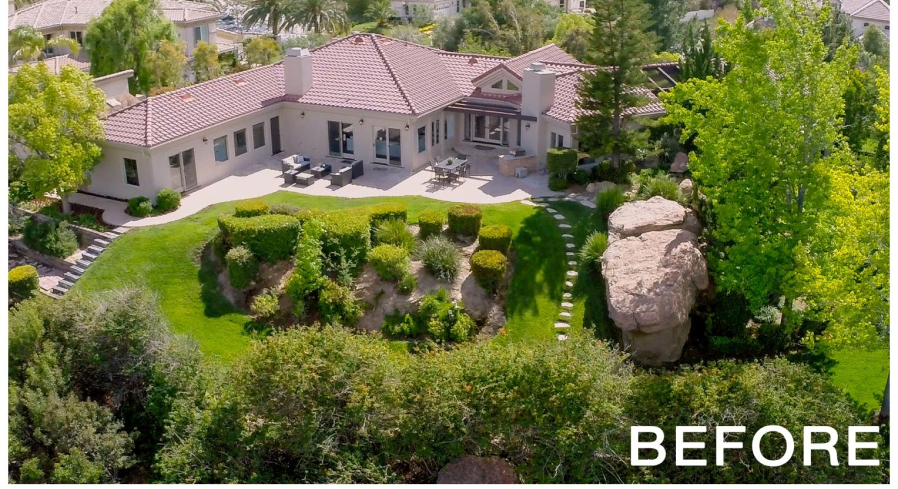
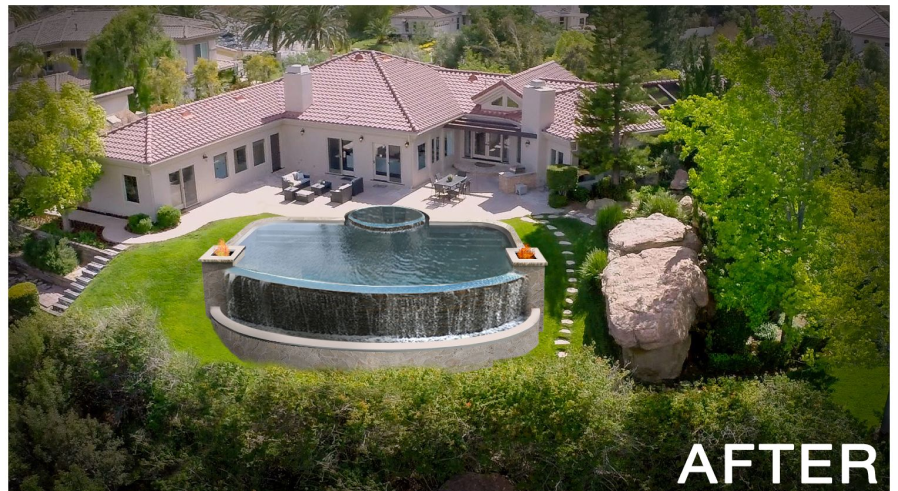
Before After

How can we help?

Scroll to Top